.webp)

.webp)



Copyright © 2025 Managed Generator Services - All Rights Reserved.
Site by TargetMarket
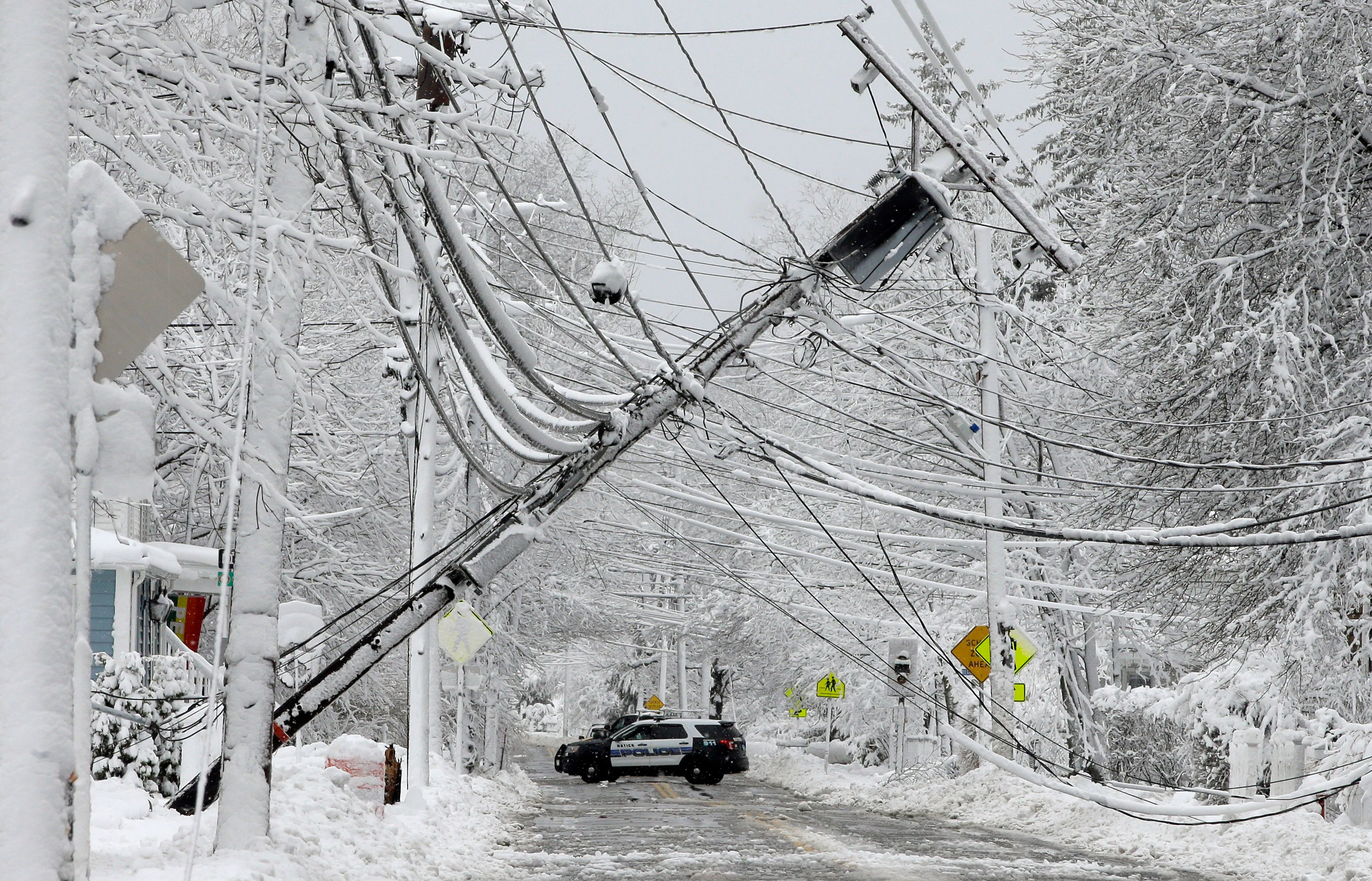
Home standby generators offer real peace of mind during outages, severe weather, and unexpected grid failures. But because generators spend most of their time running quietly in the background, misinformation spreads easily, especially about how they work, what they need, and how often they should be serviced.
At Managed Generator Services, we hear the same myths repeated by homeowners year after year. While these misconceptions seem harmless, believing them can lead to costly repairs, unexpected failures, and dangerous operating conditions. Below, we break down the most common generator myths and uncover the truth behind them so you can protect your investment and ensure your home is always ready when the lights go out.
The Truth: Weekly exercise tests only verify that the generator turned on. They do not evaluate key components.
Most standby generators run a weekly or bi-weekly exercise cycle, a brief self-test that keeps the system lubricated and verifies basic functionality. Many homeowners assume this means the generator is self-maintaining. It isn't.
The exercise cycle does not check battery strength or voltage stability, oil condition, air filter health, corrosion or rodent damage, fuel system integrity, sensor or controller performance, exhaust obstructions, spark plug wear, or firmware status. Think of it like your car starting in the driveway. The engine turning over doesn't mean all systems are healthy. Only professional preventative maintenance can catch deeper issues before they
cause a failure during an outage.
The Truth: Generators age even when they aren't used. Sitting idle is one of the biggest causes of failure.
This is one of the most damaging myths in the industry. Even if your generator hasn't run during a real outage in years, it's still experiencing battery degradation, oil breakdown, moisture intrusion, rodent or insect activity, gasket and seal wear, internal corrosion, and sensor fatigue.
Engines require movement, lubrication, and regular inspection. Without annual care, small issues worsen invisibly until the power finally goes out and the generator fails at the worst possible moment. Your generator is a critical home appliance, not a set-it-and-forget-it device.
The Truth: Alerts are the generator's way of warning you before something serious happens.
Ignoring a generator alert is like ignoring the check engine light on your car. Common alerts indicate problems like a low or failing battery, overcrank errors, fuel supply issues, sensor malfunctions, low oil, airflow obstructions, or failed weekly exercise cycles.
Yes, the generator may still start when an alert is active. But that alert means something is already out of spec. Left unaddressed, what starts as a minor issue can escalate into a major repair or a complete no-start failure during an outage. If your system is throwing alerts, the MGS repair and troubleshooting team can diagnose and resolve the issue before it becomes a bigger problem.
The Truth: Placement and clearance are critical for safety, performance, and longevity.
Generators require proper airflow to cool the engine and safely exhaust fumes. But many homeowners place them in areas that become obstructed by shrubs, mulch, fencing, snow drifts, leaves, storage items, or debris blown in by storms. Obstructed airflow can cause overheating, shutdowns, fire risk, and permanent engine damage.
Maintaining three feet of clearance on all sides is essential to safe operation. If you're unsure whether your generator's placement meets safety standards, an MGS technician can evaluate it during a scheduled service visit.
The Truth: Generator batteries typically last only 2 to 3 years, even in ideal conditions.
Heat, cold, humidity, and lack of use all degrade batteries faster than most homeowners expect. Because the battery's main job is to start the generator, a weak battery often goes unnoticed until the exact moment it's needed and fails.
Replacing the battery every 24 to 36 months is one of the lowest-cost, highest-impact maintenance steps you can take. It's the kind of proactive service that prevents no-start failures, emergency repair charges, overcrank shutdowns, and unnecessary stress on the starter motor.
The Truth: Most generator problems are internal and invisible until it's too late.
Some of the most common issues, including oil breakdown, low coolant, sensor failures, controller faults, loose wiring, internal corrosion, exhaust cracks, and rodent damage to insulation, are completely invisible from a casual glance. A generator can look perfectly maintained from the outside while quietly developing a problem that will cause it to fail under load.
Professional inspections are the only reliable way to detect these issues early, before they become expensive.
The Truth: Most failures happen silently, long before you see or hear anything.
This is the number one homeowner problem: not knowing something is wrong until it's too late. MGS's satellite-based remote monitoring service gives homeowners 24/7 real-time alerting, remote start capability, early detection of failing batteries, sensors, or fuel issues, and monitoring that continues working even when Wi-Fi and cell service fail. A dedicated Client Success Manager watches over the system on your behalf.
Remote monitoring doesn't replace maintenance. It fills the gap between service visits so that nothing develops unnoticed.
The Truth: Maintenance plans save money, reduce risk, and extend generator life.
Emergency generator repairs are significantly more expensive than preventative care, and they tend to happen at the least convenient times. A Residential PM Plan prevents expensive emergency repairs, extends the life of the generator, keeps warranties valid, and provides predictable, budget-friendly costs throughout the year. Tune-ups, battery replacements, and inspections are built into the plan so nothing gets missed.
MGS's GOOD, BETTER, and BEST options give homeowners a customized level of protection. Most customers save money over the life of their system by enrolling before something goes wrong.
Your generator is an essential safety net, but only when it's properly maintained and monitored. Understanding the truth behind these misconceptions is how homeowners avoid breakdowns, extend the lifespan of their equipment, reduce repair costs, and keep their home powered when it matters most.
If you'd like help evaluating your system or want to make sure your generator is ready before the next outage, contact the team at Managed Generator Services today. Your home deserves reliability. Your generator deserves care. And with MGS, you'll always be Always On.
.png)

.svg)
.svg)
.svg)